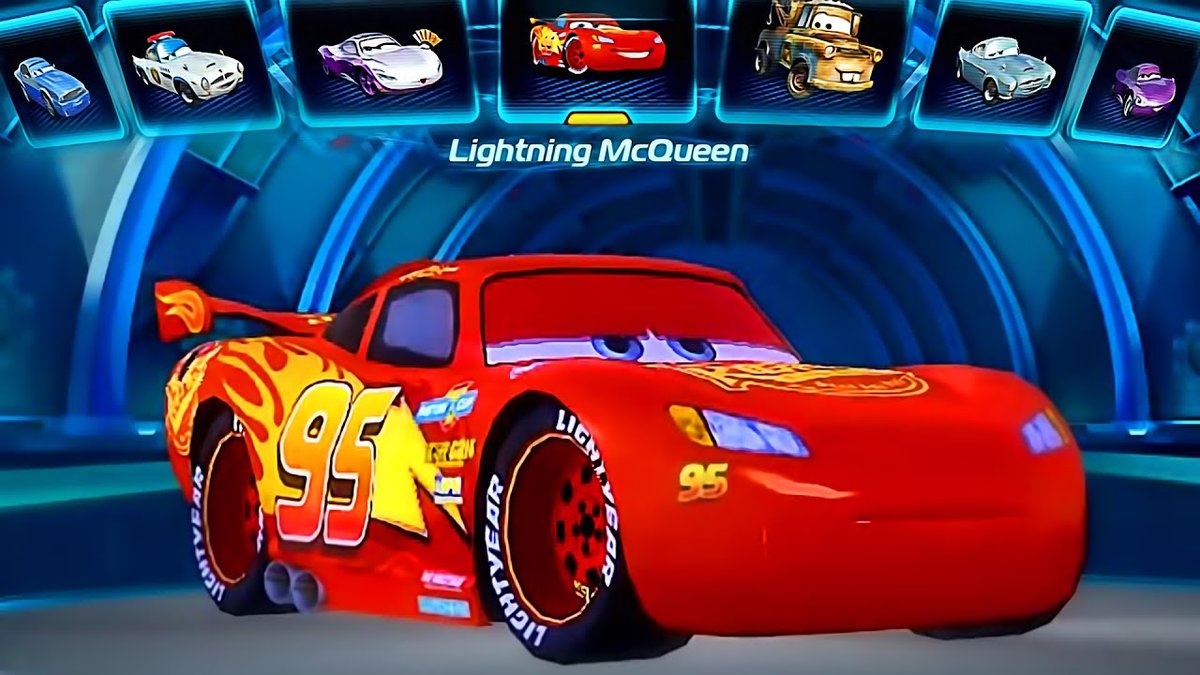
From the moment he screeches onto the screen, Lightning McQueen captivated audiences worldwide, establishing himself as a true icon of animated cinema. But beyond his thrilling races and heartwarming journey, it's the meticulous detail and thoughtful choices behind Lightning McQueen's fictional design and attributes that truly define his enduring appeal and cultural impact. He isn't just a car; he's a meticulously crafted character, a composite of real-world racing inspirations and exaggerated animated charm, designed for speed, visibility, and relatability.
At a Glance: What Makes Lightning McQueen Unmistakable
- Stylized Stock Car: Not a replica of a single real-world model, but a blend of NASCAR influences, classic sports cars, and generic aerodynamic racing cues.
- Iconic Red: Chosen for high visibility, association with speed, and strong shelf presence for merchandise.
- Number 95: A deliberate nod to Pixar Animation Studios' founding year (1995).
- Anthropomorphic Features: Eyes on the windshield, an expressive grille, and a confident stance give him personality.
- Performance-Oriented: Designed to embody a hot-rodding, professional stock car with competitive spirit.
- Cultural Touchstone: His design and story transcend film, influencing merchandise, theme parks, and animated car design.
The Unmistakable Silhouette: Deconstructing Lightning McQueen's Iconic Look
Imagine a child's drawing of the fastest car imaginable, then infuse it with the sleek lines of professional racing, a splash of rebellious hot-rod spirit, and an undeniable personality. That’s Lightning McQueen. His bright red paint, the bold number 95, and his low, wide stance are more than just aesthetic choices; they are foundational elements that communicate his identity as a performance-oriented, professional stock car. This styling isn't accidental; it's a testament to Pixar's masterful character design, ensuring he's instantly recognizable across films, merchandise, and various media.
His character design consistently emphasizes speed and visibility. The aggressive fender flares and an elongated front end aren't just for show; they're designed to be universally legible as a race car, even to the youngest viewer. This allows his journey – from rookie to mentor – to unfold against a backdrop of consistent, high-speed identity.
Beyond the Paint Job: Anatomy of a Stylized Stock Car
Delving deeper into Lightning McQueen's design reveals a sophisticated blend of influences. He is a testament to the power of composite design, drawing from various sources to create something entirely new yet deeply familiar.
A Composite Creation: Not Just One Car
One of the most common questions about Lightning McQueen is what kind of car Lightning McQueen represents. The truth is, he's not a direct replica of any single real-world model. Instead, Pixar's creators crafted him as a "stylized stock car," a melting pot of broader car culture and specific racing aesthetics.
His aesthetic strongly evokes a mid-to-late 2000s-era stock car, particularly in his broad, rounded front and silhouette, which are clear nods to NASCAR stock cars. These influences are visible in his muscular proportions and sturdy frame, built for high-speed oval track racing. Beyond stock cars, general aerodynamic racing cues like his smooth roofline and the prominent rear spoiler are integrated to suggest downforce and superior handling – crucial attributes for any top-tier racer. Look closely, and you'll also catch subtle hints of classic sports-car elegance in his sleek lines, giving him a timeless appeal that transcends his animated origins. He’s designed to look fast, capable, and ready for competition, regardless of the precise vehicle type the vehicle type Lightning McQueen embodies. This fusion makes him universally appealing, hitting familiar notes for car enthusiasts without being bound by the specifics of a single model year or manufacturer.
The Power of Color: Why Red Dominates
Lightning McQueen’s bright red color is arguably his most defining visual attribute, immediately signaling speed, energy, and a competitive spirit. But its choice goes beyond mere aesthetics. In the context of animation and merchandise, red offers unparalleled visibility and shelf presence. It's a color that pops, grabs attention, and is easily recognizable from a distance – vital for a character who needs to stand out in a crowded market.
Psychologically, red is often associated with passion, power, and urgency. For a hot-rodding, independent racer like Lightning, it perfectly encapsulates his fiery personality and his relentless drive to win. It makes him look fast even when standing still, a subtle but powerful piece of visual storytelling that reinforces his identity.
The Mark of a Champion: Number 95 and Its Hidden Meaning
The bold, white "95" emblazoned on Lightning McQueen’s sides and roof isn't just a random racing number. It's a deeply personal nod from the creators to their own history: 95 honors Pixar Animation Studios' founding year (1995). This subtle tribute adds a layer of insider charm for fans, connecting the character to the studio's rich legacy.
The white and yellow accent graphics that accompany the red body and the number 95 aren't arbitrary either. These dynamic stripes and flashes are classic race-ready styling elements, designed to create a sense of motion even when the car is stationary. They break up the dominant red, adding visual interest and suggesting speed lines, contributing to a vibrant, energetic aesthetic that is unmistakably a top-tier racer.
Anthropomorphism in Motion: Bringing a Car to Life
Perhaps the most crucial aspect of Lightning McQueen's design, and indeed all characters in the Cars universe, is their anthropomorphism. Unlike traditional talking cars where the face is often the grille or headlights, Lightning McQueen's eyes are placed on his windshield. This ingenious choice allows for a much wider range of emotional expression, making him incredibly relatable and enabling audiences to connect with his internal struggles and triumphs.
His "confident grille" functions much like a mouth, allowing for subtle shifts in expression that convey determination, surprise, or exasperation. Coupled with his overall stance – low, wide, and aggressive – these features imbue him with a personality that is both independent and expressive. This design choice is critical to the storytelling, allowing his journey of growth, teamwork, and community to resonate deeply, as viewers can literally see the world through his "eyes." It's a masterclass in how to translate human emotions onto a non-human form, making a race car feel as nuanced as any human character.
The Attributes of a Racer: More Than Just Looks
Beyond his physical appearance, Lightning McQueen's design also informs his in-universe attributes and character arc. Every curve, every decal, supports his narrative and capabilities.
Performance-Oriented Hot Rodding: Speed and Spirit
Lightning McQueen is presented as a pinnacle of performance. He's a hot-rodding stock car, which implies not just raw speed but also a certain rebellious spirit and a custom-tuned edge. His competitive personality stems directly from this identity; he's built to win, and he knows it. This attribute is evident in his sleek, low-slung design, which visually shouts "aerodynamics" and "velocity."
From his earliest days as a rookie, his design emphasizes his core identity as an independent racer – often relying on his own talent rather than teamwork. This attribute becomes a central theme in his personal growth, as his design remains consistent, symbolizing his fundamental nature, even as his internal attributes evolve through friendship and mentorship.
The Rust-eze Branding: A Nod to Real-World Sponsorships
The "Rust-eze" branding, prominently displayed on Lightning McQueen, is a genius touch that grounds his fictional world in the reality of professional racing. Real-world race cars are covered in sponsor logos, and Rust-eze serves as Lightning's primary (and initially, only) sponsor. This choice provides legibility within the Cars universe, instantly communicating the commercial aspect of racing.
More importantly, the "Rust-eze Medicated Bumper Ointment" branding is cleverly designed to evoke an underdog image. It's not a flashy, high-performance brand, but rather a slightly humorous, almost self-deprecating one, setting Lightning apart from the more established, corporate-backed racers. This branding decision subtly reinforces his initial journey as an outsider, a rookie challenging the status quo, adding depth to his story of climbing to the top. It's a brilliant example of how even minor design elements can contribute significantly to character development and narrative context, making the real-world car inspiration for McQueen feel even more tangible.
From Rookie to Legend: An Evolving Design Arc
While Lightning McQueen's core design remains remarkably consistent throughout the Cars franchise, reflecting his steadfast identity, subtle evolutions in his livery and presentation mirror his growth as a character. His journey focuses on growth, teamwork, and community, a stark contrast to his initial self-centered approach.
As he transitions from a cocky rookie to a seasoned champion and eventually a revered mentor, his design doesn't drastically change, but its context shifts. The "Fabulous Lightning McQueen" livery in Cars 3, for instance, pays homage to his mentor Doc Hudson, showcasing his embrace of legacy and wisdom. These design nuances, though subtle, reinforce his narrative arc, demonstrating how a powerful core design can sustain a character through significant personal development without losing what makes them instantly recognizable.
Designing for Impact: Lightning McQueen's Cultural Footprint
Lightning McQueen’s design is a powerful example of how thoughtful character creation can transcend its initial medium and become a significant cultural touchstone. His image has become ubiquitous, far beyond the confines of the cinema screen.
Merchandise & Media: A Global Phenomenon
Lightning McQueen's bright red color, distinctive number 95, and friendly yet fierce face were designed with commercial success in mind. His design ensures he is instantly appealing and highly marketable across a vast array of products. This careful consideration has paid off handsomely. He appears in multiple films, shorts, and a wide array of merchandise, including:
- Toys: From die-cast cars to remote-controlled vehicles and plush toys.
- Video Games: Starring in numerous racing titles and adventure games.
- Theme Park Attractions: Featuring prominently in areas like Cars Land at Disney California Adventure and Walt Disney Studios Park in Paris.
His branding has become synonymous with fast, family-friendly entertainment, influencing animated car design globally. The success of his character demonstrates the effectiveness of building a marketable design around compelling racing aesthetics and heartwarming storytelling. It's proof that a well-conceived character design can drive immense commercial and cultural impact.
The Legacy in Animation: Influencing Car Character Design
Before Cars, animated vehicles often had eyes as headlights or a mouth as a grille. Lightning McQueen, with his expressive eyes on the windshield and a nuanced grille "mouth," redefined how animated car characters could convey emotion and personality. This choice allowed for deeper emotional connections with audiences, setting a new standard for anthropomorphic vehicle design.
His design proved that cars could be complex, relatable characters, not just props. This has undoubtedly influenced subsequent animated car designs, encouraging creators to explore more sophisticated ways to imbue non-human characters with human-like qualities without sacrificing their mechanical identity.
Common Questions About Lightning McQueen's Design
Is Lightning McQueen a specific real car?
No, Lightning McQueen is not based on one specific real-world car. He is a composite, a "stylized stock car" that blends influences from NASCAR vehicles, general aerodynamic racing cues, and subtle classic sports car elegance, particularly evoking the mid-to-late 2000s stock car era. His creators aimed for universal legibility as a race car rather than a direct replica.
Why is Lightning McQueen red?
Lightning McQueen's bright red color serves multiple purposes. It ensures high visibility and strong shelf presence for merchandise, which was a key design consideration. Red is also psychologically associated with speed, energy, and a competitive spirit, perfectly matching his personality as a hot-rodding racer.
What does the number 95 on Lightning McQueen mean?
The number 95 is a deliberate and personal tribute from Pixar's creators. It honors the year 1995, which is when Pixar Animation Studios was founded, adding a special layer of meaning for fans and the studio.
How does Lightning McQueen's design show his personality?
Lightning McQueen's personality is conveyed through several key design choices:
- Eyes on the windshield: This allows for a wide range of expressive emotions, from cockiness to humility.
- Confident grille: Functions like a mouth, allowing for subtle shifts in expression.
- Low, wide stance: Gives him an aggressive, competitive, and self-assured demeanor.
- Dynamic accents: White and yellow stripes create a sense of speed and readiness.
Beyond the Finish Line: The Enduring Appeal of a Design Masterpiece
Lightning McQueen's fictional design and attributes represent a masterclass in character creation. He perfectly marries the practicalities of a high-performance race car with the emotional depth required for compelling storytelling. By blending real-world racing influences with unique animated anthropomorphism, Pixar didn't just create a car; they created a legend. His vibrant appearance, purposeful design choices, and the thoughtful backstory embedded in details like his number 95 all contribute to a character that is instantly recognizable, universally beloved, and endlessly marketable.
His legacy extends beyond mere entertainment, demonstrating the profound impact of well-executed design on culture, inspiring both aspiring animators and car enthusiasts alike. Lightning McQueen continues to race, not just on screen, but in the hearts and imaginations of millions, a testament to a design that truly works on every level.